Wildfires have become an unfortunate reality in California, wreaking havoc on homes, businesses, and entire communities. The devastating fires are often attributed to utility companies’ negligence or mismanagement, with some victims taking legal action to seek justice.
From the infamous Camp Fire to the ongoing process surrounding the Eaton Fire, wildfire lawsuits in California have seen notable successes. These landmark cases provide hope to survivors, showing that legal action can result in significant compensation and accountability for the parties responsible.
In this blog, we’ll explore five of the most impactful wildfire lawsuit victories in California, shedding light on how victims have triumphed over tragedy and the lasting impact of these legal victories.
1. Camp Fire PG&E Settlement: A Landmark Legal Victory
The Camp Fire of 2018, which devastated the town of Paradise, is one of the most tragic wildfire events in California’s history. With over 18,000 structures destroyed, this fire claimed 85 lives and caused billions of dollars in damages. PG&E was found responsible for sparking the fire due to their faulty equipment, specifically a downed power line.
In the aftermath, PG&E faced several lawsuits from victims of the fire. The settlement reached in 2020 marked a significant milestone in California wildfire litigation. PG&E agreed to pay $13.5 billion in compensation for damages related to the Camp Fire, marking the largest settlement in the state’s history for wildfire victims. This amount was to cover personal injury claims, property loss, relocation costs, and emotional distress experienced by survivors.
The Camp Fire PG&E settlement not only provided financial relief to thousands of victims but also sent a strong message about holding utility companies accountable for negligence. The case underscored the importance of holding corporations to a higher standard of safety and ensuring that future wildfires do not cause the same level of devastation.
Key Takeaways:
- PG&E’s responsibility for the Camp Fire led to a historic settlement of $13.5 billion.
- Victims received compensation for property loss, trauma, and more.
- The settlement set a precedent for holding corporations accountable.
2. Woolsey Fire Lawsuits: Winning Compensation for Lost Homes and Businesses
The Woolsey Fire, which tore through Los Angeles and Ventura counties in 2018, burned nearly 97,000 acres of land and destroyed over 1,600 structures. In its aftermath, numerous lawsuits were filed, many of which targeted Southern California Edison (SCE) for allegedly causing the fire due to their faulty equipment. The plaintiffs claimed that SCE’s failure to maintain its power lines led to the devastating blaze.
One notable success story comes from a group of homeowners whose property was destroyed by the Woolsey Fire. After years of legal battles, they reached a substantial settlement with SCE. This case resulted in compensation for property damage, lost income, and emotional trauma. Victims of the fire also received funds for relocation, helping many to rebuild their lives and restore a sense of stability after the disaster.
The Woolsey Fire cases set an important precedent for how utility companies must respond to their equipment failures and the safety standards they must maintain. It also reaffirmed that California wildfire victims can secure compensation even in the face of seemingly insurmountable challenges.
Key Takeaways:
- The Woolsey Fire lawsuits resulted in substantial settlements for affected homeowners.
- Utility companies like SCE were held accountable for their role in causing the fire.
- Victims received compensation for property damage, business losses, and emotional suffering.
3. 2017 Northern California Wildfires: A Case of Corporate Responsibility
In 2017, a series of wildfires ravaged Northern California, including the Tubbs Fire, which destroyed thousands of homes across Napa and Sonoma counties. These fires were linked to PG&E’s equipment, particularly downed power lines. Victims of the 2017 Northern California Wildfires filed lawsuits against PG&E for failing to maintain their equipment, claiming that the utility’s negligence contributed to the fire’s rapid spread.
A key victory came in the form of a settlement for a group of individuals and families who lost their homes and livelihoods in the Tubbs Fire. The settlement amounted to hundreds of millions of dollars, with many victims receiving compensation for property loss, medical bills, and emotional distress. The case highlighted the need for stricter regulation of utility companies and ensured that those responsible for California wildfires would be held to account.
Key Takeaways:
- Victims of the 2017 Northern California Wildfires secured substantial compensation for their losses.
- PG&E was found liable for contributing to the fires through faulty equipment.
- The case reinforced the need for corporate responsibility in fire prevention.
4. The Thomas Fire: A Continued Fight for Justice
The Thomas Fire, which started in Ventura County in 2017 and became one of the largest wildfires in California history, destroyed more than 1,000 structures and left thousands displaced. Lawsuits filed in response to the Thomas Fire alleged that Southern California Edison was responsible for sparking the blaze due to its faulty power lines and poor maintenance practices.
In addition to property loss, the lawsuits also sought compensation for the emotional trauma victims endured. These lawsuits are part of a broader trend of California fire litigation, which is making utility companies more accountable for wildfire-related damages.
Key Takeaways:
- The Thomas Fire sparked lawsuits against SCE for negligence.
- Lawsuits sought compensation for emotional trauma in addition to property loss.
- These cases challenged utility companies over their role in causing fires.
5. Fire Victims and the Importance of Legal Representation
While the aforementioned lawsuits represent some of the most notable wildfire legal victories, there are countless other cases where victims have secured compensation. Legal representation has played a crucial role in these victories, helping victims navigate the complex legal landscape and secure compensation for their losses. Whether it’s emotional trauma, financial distress, or property damage, wildfire lawyers have been instrumental in holding utility companies accountable and ensuring that victims receive fair compensation.
Many of the most successful cases involve experienced attorneys who specialize in wildfire litigation. They understand the intricacies of California’s legal system and are dedicated to advocating for the rights of victims. Through the support of these legal professionals, victims of California wildfires can continue to seek justice and hold negligent parties responsible for the destruction they caused.
Key Takeaways:
- Legal representation is crucial for wildfire victims seeking compensation.
- Specialized wildfire attorneys have helped secure significant settlements.
- Victims can rely on experienced lawyers to navigate the complexities of wildfire lawsuits.
Seeking Justice for California Wildfire Victims
These top five wildfire lawsuit success stories show that California wildfire victims have the power to seek justice and secure meaningful compensation for their losses. From the Camp Fire PG&E settlement to the more recent legal battles related to the Eaton Fire, these stories provide hope for those affected by wildfires. As more victims take legal action, it becomes clear that holding utility companies accountable for their role in these disasters is not only possible but crucial for preventing future devastation.
If you or someone you know has been impacted by a wildfire, contact the experienced attorneys at Adamson Ahdoot today to discuss your legal options. You deserve compensation for your losses, and an attorney can help ensure that your case is given the attention it deserves.

Wildfires continue to reshape life across California, leaving behind charred communities, displaced families, and staggering financial losses. In the aftermath of a fire, victims often turn to their insurance providers for support, but many discover too late that time isn’t on their side.
If you’ve suffered property damage due to a wildfire, understanding and meeting insurance deadlines is critical to preserving your rights and receiving the compensation you deserve. Even a slight delay in reporting your loss or submitting documentation can jeopardize your entire claim.
In this article, we’ll explore the key deadlines for filing fire damage claims in California, how these timelines are determined, and why hiring an experienced wildfire attorney can help you navigate the process.
Why Deadlines Matter for Fire Damage Claims
Insurance policies typically contain “notice of loss” provisions that require policyholders to inform their insurer within a specific timeframe, often within 30 to 60 days of discovering the damage. Miss this window, and your claim could be denied or reduced, regardless of how severe your loss may be.
California law also requires homeowners and business owners to act in “good faith,” meaning you must take reasonable steps to protect your property from further damage and keep your insurance provider informed.
If a fire ravages your home or land, acting quickly can make or break your financial recovery.
Common Insurance Deadlines to Keep in Mind
While timelines vary depending on your insurer and policy terms, here are some common deadlines every wildfire victim should keep in mind:
1. Notice of Loss (30–60 Days)
Most insurance companies require you to notify them of any fire-related damage within a specified period, typically 30 days, although some policies extend this timeframe to 60 days. This notice typically needs to include:
- A brief description of the loss.
- The date and time of the fire.
- Contact information.
- Your policy number.
Failing to report within this window may result in claim denial due to late notification.
2. Proof of Loss (60–90 Days)
Many insurance providers also require formal proof of loss, often within 60 to 90 days after the fire. This document includes:
- A detailed inventory of lost or damaged items.
- Photographs or videos of the damage.
- Repair or replacement estimates.
- Receipts and valuations for personal property.
- Documentation of additional living expenses.
Insurers rely heavily on this document to determine the scope of coverage and the amount of the payout. Incomplete or delayed submissions may trigger coverage disputes or reduced compensation.
3. Filing a Lawsuit (Statute of Limitations)
You may be eligible to file a claim for compensation if the wildfire was caused by the actions or inaction of a third party, or in other words, if negligence was the cause of the fire. In California, the statute of limitations for filing a lawsuit against an insurance company is generally 2 years from the date of the breach (e.g., the denial or underpayment of your claim).
Why Timing Is So Critical
After a wildfire, it’s easy to become overwhelmed. Between evacuation, recovery, and rebuilding, navigating the claims process can feel like a full-time job. Unfortunately, delaying any part of the process, even unintentionally, can affect your ability to recover compensation.
Delays often lead to:
- Denied claims for late reporting.
- Reduced payouts due to incomplete documentation.
- Increased scrutiny from insurance adjusters.
- Legal complications if deadlines lapse before you file suit.
Insurance companies are businesses and aim to protect their bottom line. Even prompt settlement offers may be an attempt to settle your case before you’re aware of the full extent of your losses and damages. That’s why many victims turn to wildfire attorneys for help navigating deadlines and defending their rights.
What If You Miss a Deadline?
Missing a deadline doesn’t always mean your case is over, but it does make it more difficult.
Depending on the circumstances, your attorney may be able to argue:
- Excusable delay due to displacement or trauma.
- Delayed discovery of damages (e.g., smoke infiltration, structural weakness.)
However, these arguments can be challenging to prove and are not always successful. It’s far better to act quickly and consult legal counsel as early as possible.
How a Wildfire Attorney Can Help
At Adamson Ahdoot, our experienced fire damage lawyers understand how to effectively conduct thorough investigations, track critical deadlines, and advocate for the maximum compensation you deserve. We work with clients from the moment the fire sparks, gathering evidence, organizing documentation, and handling correspondence with insurers and negligent parties to protect your rights.
Here’s how we support wildfire victims:
- Conducting extensive investigations to determine the cause of the fire and whether negligence was involved.
- Reviewing your policy to determine notice and proof of loss deadlines.
- Helping gather evidence such as repair estimates, photos, and receipts.
- Communicating with third parties to ensure deadlines are met and all your damages are taken into account for any settlement offers.
- Pursuing litigation if your claim is delayed, denied, or underpaid.
We understand that recovering from a wildfire is emotionally and financially draining. Let us take on the legal burden while you focus on rebuilding your life.
Tips for Staying Ahead of Deadlines
If you’ve been affected by a wildfire, here are some steps you can take immediately:
- Notify your insurer as soon as it’s safe.
- Document everything by taking photos and videos. Keep receipts and track correspondence.
- Submit proof of loss as early as possible.
- Consult with a wildfire attorney to avoid costly mistakes, ensure all of your damages are accounted for, and secure the maximum compensation you’re entitled to.
The earlier you begin, the stronger your claim.
Your Recovery Begins with a Deadline
In the wake of a wildfire, time is one of your most valuable resources. Meeting deadlines isn’t just a technicality; it’s a legal necessity. Whether you’re dealing with fire damage to your home, evacuation expenses, or emotional distress, acting promptly can dramatically impact your compensation.At Adamson Ahdoot, our wildfire attorneys are ready to help you every step of the way. From understanding your policy to fighting unjust denials, we’re committed to ensuring that wildfire victims get the justice they deserve. Call us at (800) 310-1606 or fill out our online form to speak with a member of our wildfire litigation team.
California wildfires leave behind more than just scorched earth. From devastating property loss and personal injury to economic fallout and emotional trauma, the impact of these disasters can be overwhelming. But if you’ve suffered because of a wildfire, you may have legal options, regardless of whether you owned a home or ran a business.
Understanding who is eligible to file a wildfire claim in California is the first step toward pursuing justice. In this blog, we break down the types of people and businesses who can file, the kinds of damages you may be able to recover, and why speaking with experienced wildfire attorneys can make all the difference in your recovery journey.
Eligibility Isn’t Just for Homeowners
Many people assume only homeowners can file wildfire claims. The reality is far broader. If a wildfire impacted you, whether through property loss, personal injury, forced evacuation, or business disruption, you could be eligible.
Here’s a closer look at who may qualify:
Homeowners
If your home was damaged, destroyed, or made uninhabitable due to a wildfire, you are likely eligible to file a claim. Compensation can cover structural loss, landscaping, personal belongings, and the emotional distress associated with displacement.
Renters
Renters can also pursue wildfire claims. While you may not own the building, you can still seek compensation for lost personal property, relocation costs, and emotional distress.
Landlords
Property owners who rent out their homes or buildings and experience damage can file for both structural damage and lost rental income.
Business Owners
Wildfires often force businesses to close, resulting in significant financial losses. Whether you own a retail store, restaurant, or another type of business, you may be eligible to recover damages related to:
- Loss of inventory.
- Building repairs.
- Business interruption.
- Lost income.
Agricultural Operators and Farmers
California’s agricultural sector is particularly vulnerable to wildfires. Farmers and ranchers can file claims for:
- Damaged crops or livestock.
- Equipment loss.
- Irrigation system damage.
- Loss of income due to farm closures.
Injured Individuals
If you were physically harmed during a wildfire, through smoke inhalation, burns, or injury while evacuating, you may be entitled to file a personal injury claim. These claims can also include damages for emotional distress and long-term health complications.
Evacuees
Even if you didn’t suffer physical property damage, being forced to evacuate can incur significant costs. Temporary housing, meals, travel expenses, and lost wages are all compensable under many wildfire claims.
What Determines Wildfire Claim Eligibility?
Eligibility is based on several factors, including the location, cause, and timing of the wildfire.
Proximity to the Fire
You don’t need to live in the fire’s direct path to be eligible. Wildfires can impact surrounding areas through smoke, ash, and damage to air quality. If your property or health was affected, even if the fire didn’t reach your doorstep, you may have a case.
Cause of the Fire
To pursue compensation, the wildfire must have been caused by a party that can be held legally responsible. This could include:
- Negligent utility companies whose equipment sparked the blaze.
- Construction companies that failed to follow safety protocols.
- Government entities that failed to maintain safe public lands or issued poor emergency guidance.
Understanding the cause is crucial. That’s where experienced fire damage lawyers come in. They conduct in-depth investigations to determine who should be held accountable.
Timing of the Fire
California law generally allows two years from the date of an injury or three from the date of property damage or loss to file a wildfire claim. However, this window may be shorter for claims against government entities, or if you discovered damage well after the fire occurred.
Why Legal Representation Matters
Even if you’re clearly eligible to file a wildfire claim, navigating the legal process alone is risky. Filing a claim involves collecting evidence, proving damages, negotiating with powerful insurance companies, and understanding highly technical laws.
An experienced wildfire attorney can help you:
- Preserve critical evidence.
- File within the proper timeframe.
- Identify all possible liable parties.
- Maximize compensation for both tangible and intangible losses.
The earlier you consult a legal professional, the stronger your claim will be.
What Damages Can Be Recovered?
Depending on your situation, you may be eligible for several types of compensation, including:
- Property Damage: Repair or replacement of structures, vehicles, personal belongings, etc.
- Medical Expenses: Treatment for burns, respiratory issues, or psychological trauma.
- Evacuation Costs: Temporary housing, transportation, meals, etc.
- Lost Income: From missed work, business closures, or agricultural losses.
- Emotional Distress: Trauma, anxiety, and disruption of daily life.
What If You Don’t Have Insurance?
Don’t let a lack of insurance deter you from seeking justice. Many wildfire victims without insurance still receive compensation through legal claims against third parties, particularly utilities whose negligence caused the fire.
If you qualify and take timely action, it’s possible to recover significant damages, even without insurance coverage.
Taking the First Step Toward Recovery
If you’re unsure whether you qualify to file a wildfire claim in California, don’t wait. Reaching out to a fire damage lawyer can help you understand your rights and determine the best path forward. Remember: you may be eligible even if you’re not a homeowner, even if your property is still standing, and even if you evacuated safely.
The most important thing you can do is act quickly and seek the professional advice of an experienced wildfire lawyer. Remember: time limits apply, evidence must be preserved, and insurers and responsible parties often try to minimize their liability.
Moving Forward with Adamson Ahdoot
At Adamson Ahdoot, we represent wildfire victims from all walks of life, such as homeowners, renters, business owners, farmers, and more. We believe that when corporations or public entities act negligently, they should be held accountable for their actions. Our team of dedicated wildfire attorneys works tirelessly to secure the compensation you deserve and help rebuild your life.
If you think you may be eligible to file a wildfire claim, don’t delay. Contact us today for a free consultation, and let us help you pursue justice.Need Legal Help? Call us at (800) 310-1606 or fill out our online form to speak with a member of our wildfire litigation team.
Wildfires move fast, but wildfire claims? Not so much.
If you’re a California resident recovering from a wildfire, you’re likely wondering when your claim will be processed and resolved. Whether you’re dealing with an insurance company, pursuing a legal claim, or both, the wildfire claim process can span anywhere from several months to a few years. Unfortunately, the path to fair compensation is rarely linear or fast, but it can be made smoother and faster with the right legal guidance.
In this blog, we’ll break down what affects claim timelines, what to expect at each stage, and how wildfire attorneys can help you navigate delays while fighting for the recovery you deserve.
Key Factors That Impact Wildfire Claim Timelines
1. Insurance Company Responsiveness
The first step for most wildfire victims is filing a claim with their homeowners’ insurance. Ideally, insurers would act promptly and fairly. However, in reality, insurance companies are businesses, and the more they pay out, the less profit they make.
After a major wildfire, these companies are often overwhelmed with thousands of claims. This flood can stretch internal resources thin and cause long processing delays. Some claimants wait months for inspections, estimates, or even a basic response.
If your insurance company is unresponsive or acting in bad faith (delaying payments, denying valid claims, or offering lowball settlements) legal action may be necessary. Fire damage lawyers are experienced in identifying these tactics and advocating for the compensation that policyholders are entitled to.
2. Severity and Scope of Damage
The more extensive the damage, the longer the claim process will take. That’s just the reality. If you lost an entire home, vehicle, or business due to fire, the claim will likely require:
- Detailed repair estimates.
- Inventory of destroyed personal property.
- Proof of additional living expenses (ALE).
- Debris removal costs.
- Rebuilding and permitting documentation.
Additionally, in widespread fire events, it’s not uncommon for claims to be handled in phases, starting with emergency expenses, followed by personal property, and finally structure losses. Each phase adds time to the overall process.
What If You’re Filing a Lawsuit Instead of an Insurance Claim?
Many wildfire survivors pursue compensation beyond what their insurance provides or, in some cases, even without insurance. These claims are usually filed against third parties, like utility companies, whose negligence sparked the fire.
Legal Timeline: A Long-Term Process
Litigation against corporations like Pacific Gas & Electric (PG&E) or Southern California Edison involves complex investigations, expert testimony, and sometimes mass tort proceedings with hundreds or thousands of plaintiffs.
As a result, wildfire lawsuits often take 1 to 3 years to resolve, especially if they go to trial. However, early settlement negotiations or participation in victim trusts (like the Fire Victim Trust created after the PG&E bankruptcy) can sometimes result in quicker payouts.
Either way, starting early with the help of experienced wildfire attorneys is essential. The sooner your case is documented and filed, the faster it can progress, and the better your chances of securing compensation will be.
Stages of the Wildfire Claim Process
Understanding the stages can help manage expectations. Here’s how a typical wildfire claim unfolds:
1. Initial Recovery & Documentation (0–2 Months)
- Ensure safety.
- Report the incident to your insurer.
- Take photos of the damage.
- Collect receipts for temporary housing, meals, and emergency purchases.
- Start an inventory of damaged or lost items.
This is also the time to consult a fire damage lawyer if a third party may have caused the fire.
2. Claim Submission & Investigation (2–6 Months)
- Your insurer assigns an adjuster.
- The adjuster visits and assesses damages.
- You submit repair estimates, receipts, and personal property inventories.
- You may receive partial or temporary payouts during this phase.
If you’re involved in a lawsuit, this is also when your attorney gathers evidence, contacts witnesses, and works with experts to strengthen your case.
3. Negotiation or Denial (6–12+ Months)
- The insurer issues a settlement offer or denies the claim.
- If the offer is too low, consider negotiating with legal support.
- If denied, legal action might be necessary.
Similarly, third-party claims often enter settlement negotiations at this point. Some cases are resolved here. Others continue to litigate.
4. Lawsuit & Litigation (1–3+ Years)
If your case proceeds to court, expect a longer timeline. Discovery, depositions, motions, and possibly a trial all take time. Mass torts or class actions can move even more slowly, but with potentially larger payouts.
Why Some Claims Take Longer Than Others
Several factors can extend your timeline:
- Incomplete documentation.
- Disputes over the cause of the fire.
- Contractor or builder delays.
- Multiple parties sharing liability.
- Insurance company tactics.
Claims involving emotional distress, injury, or wrongful death are especially complex. But don’t let that discourage you. Many wildfire victims have successfully recovered significant damages with persistence and the help of a lawyer.
How a Wildfire Attorney Can Help Expedite Your Claim
Navigating a claim alone, especially while recovering emotionally and financially, is daunting. That’s why many Californians turn to wildfire attorneys who specialize in these cases.
Here’s what they can do for you:
- Organize and preserve crucial evidence.
- Challenge bad-faith insurance practices.
- Build and file lawsuits against liable parties.
- Navigate state compensation programs and settlement funds.
- Accelerate resolution with efficient case management.
When you hire the right legal team, you’re not just getting representation; you’re getting peace of mind.
A More Timely Recovery Starts with Legal Support
After surviving a wildfire, every day counts. Waiting months or years for compensation only adds to the trauma. But you don’t have to wait in the dark. Knowledge, preparation, and skilled representation can light the way forward.
Whether you’re insured or not, whether your losses were minor or total, getting an early start and working with trusted fire damage lawyers can help minimize delays and maximize results.Adamson Ahdoot stands with fire survivors across California. If you’re struggling with a delayed insurance claim or considering legal action, don’t wait to get help. Contact our team for a free consultation, and let us help you navigate the wildfire claims process so you can focus on rebuilding. Call us now at (800) 310-1606 or reach out through our online form.

For Californians affected by wildfires, taking legal action isn’t always top of mind. In the immediate aftermath, the focus is on survival, safety, and rebuilding. But once the smoke clears, victims are often left with staggering losses, such as damaged property, unlivable homes, emotional trauma, and mounting expenses.
If negligence played a role in the fire’s ignition or spread, survivors may have the right to pursue legal compensation. However, strict legal deadlines apply. Understanding these time limits can mean the difference between recovering damages and having your claim barred entirely.
This blog explains how long you have to file a wildfire lawsuit in California, what exceptions might extend or shorten that deadline, and why acting quickly is critical, even if you’re still picking up the pieces.
What Is the Statute of Limitations for Wildfire Lawsuits in California?
In most wildfire cases, the standard statute of limitations is two years from the date the injury occurred or three years from the date of the damage or loss. If you fail to file a lawsuit within this window, your case will likely be dismissed, regardless of its merits.
Important: The clock typically starts ticking on the date the fire caused damage to your home, property, or person.
This means that for a wildfire that occurred on August 1, 2023, the legal deadline to file a claim would typically fall on August 1, 2025 or 2026, depending on the nature of the claim.
Exceptions to the Two-Year Rule
While two years is the general deadline, some exceptions may either shorten or extend the amount of time you have to take legal action:
1. Government Claims: 6-Month Deadline
If your wildfire damages involve a government entity—such as a municipal fire department or a utility under state control—you may be required to file a government claim within six months of the incident, under the California Government Claims Act.
This deadline applies to:
- Fires caused by publicly operated utilities.
- Delayed emergency responses from public agencies.
- Government-owned property that contributed to fire hazards.
If your claim is rejected or not responded to promptly, you may then have six months to file a lawsuit from the date of rejection.
2. Delayed Discovery of Harm
In some cases, the full extent of fire-related damage isn’t immediately apparent. For example, smoke damage, toxic residue, or structural compromise may not become evident until months after the event. If a victim can prove they only discovered the damage later, the statute of limitations may be extended under the “delayed discovery rule.”
Still, this exception has limits. Courts will examine whether a reasonable person should have discovered the damage earlier. The more documentation you have (e.g., inspection reports, photos, insurance assessments), the stronger your case for a delayed discovery claim.
Why Timing Matters Even If You’re Not Ready to File
It’s common for wildfire victims to feel overwhelmed. Between insurance battles, temporary housing, and emotional recovery, suing a major utility or landowner might feel like too much too soon. However, waiting too long can result in forfeiting the right to hold responsible parties accountable.
Even if you’re not yet ready to sue, speaking with a wildfire attorney early allows you to:
- Preserve critical evidence.
- Understand your eligibility.
- Identify potential defendants (e.g., PG&E, SoCal Edison).
- Navigate short deadlines for government claims.
- Avoid procedural mistakes that could disqualify your claim.
At Adamson Ahdoot, our team of wildfire attorneys handles everything from evidence gathering to settlement negotiations. We help you act within the law’s timelines, so you’re not left out of recovery simply because the clock ran out.
What If You Miss the Deadline?
If you file after the applicable deadline, your case may be dismissed before it even begins. There are rare instances where courts may toll (pause) the statute of limitations. For example, if the victim was incapacitated or a minor at the time of the fire. But these are narrow exceptions, and relying on them can be risky.
Don’t gamble with your right to compensation. Consult with an experienced wildfire attorney as early as possible.
What Damages Can You Recover in a Wildfire Lawsuit?
If you file on time and prove your case, you may be entitled to significant compensation for both economic and non-economic losses, including:
- Property damage and repair costs.
- Loss of use of your home or vehicle.
- Displacement expenses (hotels, rental homes, relocation.)
- Emotional distress.
- Medical costs for fire-related injuries or smoke exposure.
- Loss of business income or wage disruption.
- Wrongful death (in fatal fire cases).
How Adamson Ahdoot Can Help
Our dedicated team of fire damage lawyers understands that wildfire victims aren’t just seeking compensation; they’re seeking justice. At Adamson Ahdoot, we’ve built a reputation for holding powerful utilities and negligent landowners accountable for the destruction they leave behind.
What sets us apart:
- Over 100 years of combined legal experience.
- Bilingual services in English and Spanish.
- In-depth investigation and expert testimony.
- Client-first support from start to finish.
- No upfront costs, so you don’t pay unless we win.
When you work with us, you get more than legal advice. You get a partner in your recovery. We fight to maximize your compensation and protect your rights at every step.
Start Your Case Before It’s Too Late
Legal deadlines can sneak up fast, especially in the aftermath of life-altering events like wildfires. The sooner you know your options, the better prepared you’ll be to make informed decisions.
Whether you’ve already filed an insurance claim, just returned to your damaged property, or are unsure who’s responsible for the fire, now is the time to talk to a wildfire attorney.
Don’t Let Time Run Out on Justice
The legal system offers a path to accountability, but that path has a deadline. Missing your opportunity to file means missing out on the support you and your family deserve.
Contact Adamson Ahdoot today at (800) 310-1606 or online for a complimentary consultation. Our experienced wildfire attorneys are ready to evaluate your case and help you take action before it’s too late.

When a wildfire tears through your community, it doesn’t just scorch landscapes. It upends lives. As survivors begin the long road to recovery, they’re often left wondering how to hold negligent parties accountable and recover the full extent of their losses. That’s where experienced wildfire attorneys step in.
At Adamson Ahdoot, we help wildfire victims build strong, evidence-backed claims that stand up to scrutiny. But even the most skilled fire damage lawyers need solid documentation to make a compelling case. In fact, early and thorough evidence collection often translates into faster resolutions and more substantial compensation.
So what exactly do you need to gather? Below, we outline the critical types of evidence that can significantly strengthen your wildfire claim, and how to preserve them effectively.
Why Is Evidence so Important in a Wildfire Claim?
Wildfire litigation isn’t just about proving that a fire occurred—it’s about demonstrating liability, the extent of your losses, and how the fire impacted your life. Strong evidence helps us do three things:
- Prove the cause of the fire and who’s responsible.
- Show the scope of property damage and financial loss.
- Support claims for emotional distress, displacement, and other non-economic damages.
Timely documentation does more than validate your losses; it protects your claim from delays and denials. Let’s break down the most important forms of evidence.
1. Photos and Videos of Property Damage
Visual documentation is a cornerstone of any wildfire claim. If you’re able to return safely to your property:
- Take wide-angle and close-up shots of damaged structures, vehicles, and belongings.
- Capture multiple angles and lighting conditions.
- Date-stamp all images if possible.
If you have photos or videos of your property before the fire, that would be even better. These allow wildfire attorneys to compare the before-and-after condition, helping to quantify your losses more accurately.
2. Repair Estimates and Contractor Assessments
Once the fire is contained and it’s safe to inspect the property, getting professional repair estimates is essential.
- Hire licensed contractors to assess structural damage.
- Request written estimates with line-item breakdowns.
- Get second opinions if possible—multiple quotes can provide valuable context.
These estimates help fire damage lawyers determine whether an insurance company’s payout is fair—or far too low.
3. Proof of Ownership and Personal Property Loss
Insurance companies and utility defendants often require proof that you owned the property and its contents. To prepare, gather:
- Mortgage or property tax statements.
- Homeowner’s or renter’s insurance policies.
- Receipts for major purchases.
- Inventory lists of damaged belongings.
Photos of your home’s interior from before the fire can be invaluable, even if they were taken for unrelated reasons like real estate listings or family albums.
4. Insurance Correspondence and Claim Documents
Document every interaction you have with your insurance provider. This includes:
- Initial claim filings.
- Emails or letters discussing coverage or exclusions.
- Denial notices or underpayment explanations.
- Adjuster visit notes and inspection reports.
Sharing this information with your wildfire attorney allows them to identify bad faith practices, challenge unfair denials, and pursue additional recovery.
5. Utility Company Notices and Maintenance Records
In many wildfire cases, negligent utility companies are the liable parties. Downed power lines, outdated equipment, or failure to de-energize during fire weather conditions can be central to your claim.
If you received any of the following, save them:
- Pre-fire notices from utility companies about maintenance or planned outages.
- Post-fire communications, including admissions of potential liability or outage explanations.
- Copies of your utility bills showing you were a customer at the affected address.
Wildfire attorneys will use this information to connect the dots between utility negligence and the wildfire’s ignition point.
6. Evacuation Orders and Displacement Records
Document your evacuation and temporary living arrangements. This helps support claims for:
- Hotel stays.
- Rental property costs.
- Transportation expenses.
- Lost income.
Save evacuation alerts (texts, emails, or public notices), along with any receipts or documents showing when and where you were displaced.
7. Medical Records and Emotional Distress Documentation
Wildfires don’t just cause property loss—they can have lasting effects on your health and emotional well-being. If you or a loved one experienced smoke inhalation, anxiety, PTSD, or other conditions as a result of the fire:
- Seek medical treatment and keep all related records.
- Request documentation from therapists or counselors.
- Maintain a journal describing your physical and emotional recovery.
These non-economic damages are real and compensable, but they must be clearly supported by evidence.
8. Witness Statements and Community Impact
Sometimes, your story is part of a larger narrative. If neighbors or community members have valuable perspectives, consider gathering:
- Written or recorded witness statements.
- News articles detailing the fire’s cause or spread.
- Social media posts or videos showing the fire’s impact.
Your fire damage lawyer can use this broader context to help bolster your claim and demonstrate a pattern of negligence, especially when building group or mass tort actions.
Start Now. Your Case Depends On It.
The earlier you begin collecting evidence, the stronger your claim will be. Delays can lead to lost documents, damaged sites, or forgotten details. Even if you’re unsure about pursuing legal action, preserving these materials now ensures you’ll have options later.
At Adamson Ahdoot, we understand the trauma wildfire survivors endure. Our experienced wildfire attorneys are here to lift the burden by guiding you through every step of the legal process. From reviewing your documents to negotiating with insurance providers and corporate defendants, we’re committed to helping you rebuild.
Rebuilding Begins with the Right Legal Support
In the aftermath of a wildfire, your priority should be safety and recovery. But don’t underestimate the importance of evidence. A well-documented case can mean the difference between an inadequate payout and the full compensation you’re entitled to.
Let our trusted fire damage lawyers fight for you. If you’ve been affected by a California wildfire, call Adamson Ahdoot today at (800) 310-1606 for a free consultation or contact us online.
Together, we can hold negligent parties accountable and start rebuilding your future.
When wildfires tear through communities, most attention focuses on homes reduced to ash, destroyed property, and billion-dollar insurance losses. However, the damage extends for many survivors to long after the fire trucks leave. Lingering smoke damage from wildfire, sudden evacuations, and toxic exposure often lead to a second wave of devastation, this time on the human body.
Victims aren’t just filing claims for lost roofs and scorched cars. They’re battling chronic respiratory issues, psychological trauma, and other serious health conditions tied to fire exposure. These cases are growing, and they carry real weight in court.
The Hidden Toll of Smoke Exposure
What burns in a wildfire isn’t just trees. Plastics, chemicals, insulation, and even household cleaners can get swept into the air, forming a dangerous mixture of toxins. This polluted smoke can travel hundreds of miles, seeping into homes, clinging to clothing, and coating lungs.
Microscopic pollutants in wildfire smoke penetrate deep into the respiratory system. For some, the effects are immediate: tightness in the chest, wheezing, coughing fits. For others, the damage builds quietly. Over time, smoke damage from wildfire exposure can cause or worsen asthma, bronchitis, and even heart disease.
Public health agencies have warned that prolonged exposure to wildfire smoke increases the risk of long-term respiratory complications. Children, seniors, and individuals with existing health conditions are especially vulnerable. These are real and actionable injuries with lasting consequences.
Respiratory Claims: From Irritation to Long-Term Injury
Medical professionals now recognize that wildfire smoke doesn’t just cause irritation. For many victims, it results in smoke damage to the lungs that requires long-term care.
Inflammation, reduced lung capacity, and scarring are increasingly common, particularly among those with pre-existing respiratory conditions.
Health claims tied to wildfire smoke exposure may include:
- Emergency treatment for smoke inhalation.
- Long-term prescriptions or inhalers.
- Pulmonary rehabilitation.
- Lost income from time away from work due to illness.
A successful claim hinges on connecting your condition to the fire event. That means acting quickly, gathering medical records, and consulting with professionals who understand the science behind smoke-related injuries. A qualified wildfire attorney can help document the connection and build a strong case.
Mental Health Matters Too
While physical symptoms are easier to measure, emotional injuries are just as real. Many wildfire survivors report lingering anxiety, sleep disruptions, and depression. The trauma of watching your home burn, fleeing through thick smoke, or not knowing if loved ones are safe can leave deep psychological scars.
These experiences fall under what California law classifies as non-economic damages. If you’re suffering emotionally after a fire, you may be eligible for compensation related to:
- Post-traumatic stress.
- Loss of enjoyment of life.
- Anxiety and depression.
- Ongoing therapy or counseling.
It’s not just about what was lost in the fire. It’s about how your life has changed since. You can learn more about how these damages work in California’s breakdown of emotional distress claims.
Long-Term Health Concerns After Wildfires
Emerging studies link wildfire exposure to long-term health risks, including cardiovascular disease, certain cancers, and even adverse pregnancy outcomes. Some survivors may develop new conditions years after the initial event. While the connection between smoke exposure and future illness is still being studied, early data suggests a clear correlation, especially among children, seniors, and individuals with compromised immune systems.
The effects can also go beyond individual health. Families may face increased healthcare expenses, changes in work or school routines, and emotional strain from ongoing uncertainty. When caused by a preventable wildfire, that burden should not fall on victims alone.
Annual health screenings, blood work, and pulmonary exams should become routine for anyone near the fire zone. If medical issues develop later, having a documented health history linked to the incident can strengthen your legal position. Mass tort claims and individual lawsuits alike benefit from early action.
You can explore whether you might qualify by reading our guide to mass tort lawsuit eligibility.
Who Can Be Held Responsible?
In many cases, utility companies, maintenance crews, or even government entities may be found liable for the wildfire. If faulty power lines or negligent land management contributed to the fire, those responsible may owe compensation for property damage and health injuries.
Wildfire lawsuits typically require extensive evidence. In addition to medical and air quality records, your legal team may bring in environmental experts, economists, or specialists to project future healthcare needs. These aren’t quick or easy cases, but they can yield meaningful compensation when built correctly.
One key factor is showing a pattern of negligence. In prior wildfire cases, investigators discovered that utility companies ignored outdated infrastructure and failed to clear vegetation around equipment. Based on that evidence, victims were able to pursue large-scale claims.
Getting the Legal Support You Deserve
You’re not alone if you’re suffering the health consequences of wildfire exposure. Too often, victims focus only on property losses, missing the chance to recover medical costs, therapy expenses, or lost wages tied to health complications.
Working with an experienced legal team can help you recover the costs of physical and emotional injuries. That includes ongoing treatments, loss of quality of life, and even future care. If your injuries prevent you from returning to work or require home adjustments, those can also be part of your claim.
At Adamson Ahdoot, we work with clients to document every detail, fight for full compensation, and guide them through each stage of the process. Whether it’s a standalone claim or part of a broader case, we’re committed to protecting your health, rights, and future.
To learn what to expect during a case, check out what to look for in a personal injury lawyer.
Call Adamson Ahdoot to Start Your Road to Recovery
If you or your family face health issues due to wildfire exposure, don’t settle for compensation that only covers your property. Talk to a legal team that understands how to pursue the full extent of your losses. Contact Adamson Ahdoot today at (800)211-3473 for a free consultation and start the path toward recovery and justice.
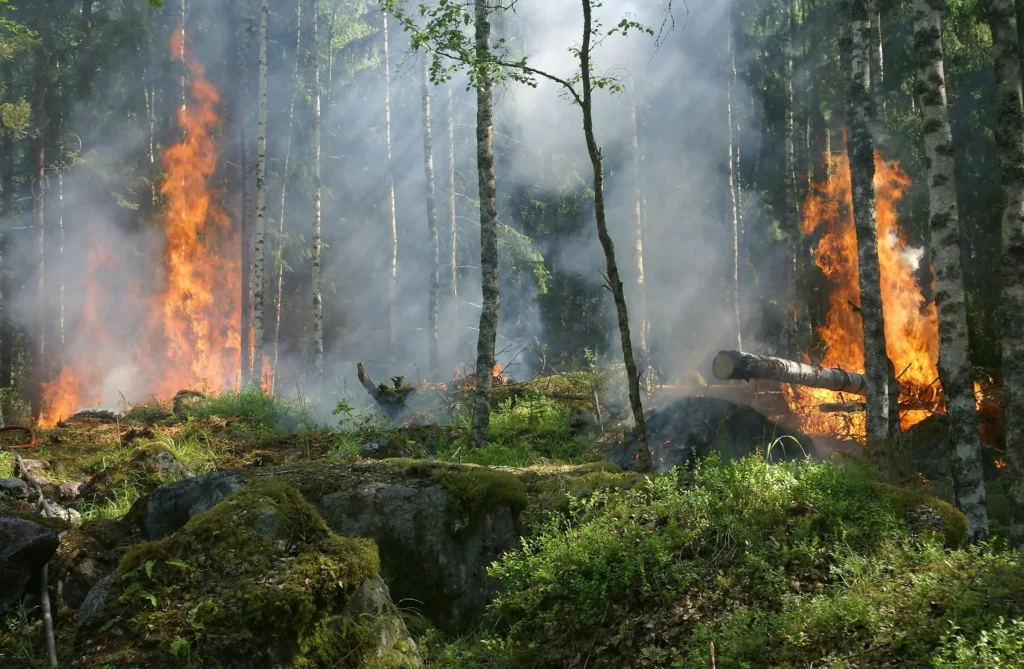
California has experienced some of the most devastating wildfires in U.S. history, with increasing frequency and intensity in recent years. Some of the biggest California wildfires have caused catastrophic damage to homes, businesses, and natural landscapes while claiming numerous lives. If you’ve been affected by these destructive events, you may be entitled to compensation through a wildfire lawsuit.
Understanding Wildfire Lawsuits in California
A wildfire lawsuit seeks compensation for damages caused by fires that resulted from negligence or liability on the part of utility companies, government entities, or other responsible parties. California law provides pathways for victims to recover losses when evidence shows these fires could have been prevented.
When the biggest California wildfires strike, they often leave behind billions of dollars in damage. Understanding who qualifies to file claims and what compensation is available becomes crucial for individuals and communities affected by the situation.
Who Can File a Wildfire Lawsuit in California?
Homeowners
If you own property damaged or destroyed by a wildfire, you may qualify to file a wildfire lawsuit. Homeowners can seek compensation for:
- Structural damage or complete loss of their home.
- Damage to landscaping and outdoor structures.
- Loss of personal belongings.
- Costs of temporary housing during displacement.
- Decreased property value.
Even if you have homeowner’s insurance, a wildfire lawsuit may be necessary to cover losses exceeding your policy limits or to address damages not covered by insurance.
Business Owners
Business owners affected by California wildfire damages have grounds to file claims for:
- Physical damage to business property.
- Loss of inventory or equipment.
- Business interruption losses.
- Lost profits and revenue.
- Costs associated with temporary relocation.
The economic impact of wildfires on businesses can extend far beyond the immediate physical damage, making comprehensive compensation through legal action essential for recovery.
Renters
You don’t need to own property to qualify for a wildfire lawsuit. Renters affected by wildfires may seek compensation for:
- Loss of personal belongings.
- Temporary housing costs.
- Relocation expenses.
Individuals with Personal Injuries
Those who suffered physical injuries during a wildfire may qualify for compensation covering:
- Medical expenses (immediate and ongoing).
- Rehabilitation costs.
- Lost wages during recovery.
- Pain and suffering.
- Emotional distress.
- Long-term health effects from smoke inhalation or burns.
Wildfire-related injuries can have lasting impacts, and California wildfire damage claims can help victims access the medical care and support they need.
Types of Damages Available in Wildfire Lawsuits
Economic Damages
Economic damages represent the quantifiable financial losses resulting from the wildfire:
- Property repair or replacement costs.
- Medical expenses.
- Lost income and business profits.
- Evacuation and temporary housing expenses.
- Clean-up and debris removal costs.
These damages can be calculated with relative precision based on receipts, estimates, and financial records.
Non-Economic Damages
Non-economic damages address the intangible losses that don’t have a specific dollar value:
- Emotional distress.
- Pain and suffering.
- Loss of enjoyment of life.
- Post-traumatic stress disorder (PTSD).
- Loss of consortium (for spouses).
The biggest California wildfires often leave psychological scars that merit compensation alongside physical and financial losses.
Punitive Damages
In cases where a utility company or other entity demonstrated gross negligence or willful misconduct, punitive damages may be awarded to punish the wrongdoer and deter similar behavior in the future. These damages can significantly increase the overall compensation in a wildfire lawsuit.
The Importance of Establishing Liability
To qualify for compensation through a wildfire lawsuit, victims must establish that the fire resulted from another party’s negligence. In California, utility companies like Pacific Gas & Electric (PG&E) have been found liable for numerous devastating wildfires due to:
- Failure to properly maintain equipment.
- Inadequate vegetation management around power lines.
- Failure to shut off power during high-risk weather conditions.
- Non-compliance with safety regulations.
Other potentially liable parties might include:
- Government agencies responsible for forest management.
- Construction companies that violated fire safety codes.
- Manufacturers of defective products that ignited fires.
Time Limitations for Filing a Wildfire Lawsuit
California imposes strict deadlines (statutes of limitations) for filing wildfire lawsuits:
- Personal injury claims typically must be filed within two years of the injury.
- Property damage claims generally must be filed within three years.
- Claims against government entities may have much shorter deadlines (as little as six months).
These deadlines make it crucial to consult with an attorney promptly after suffering damage from a California wildfire. Waiting too long could permanently forfeit your right to seek compensation.

Steps to Take if You Qualify for a Wildfire Lawsuit
If you believe you qualify for a wildfire lawsuit, consider taking these critical steps:
- Document all damages with photographs, videos, and written descriptions.
- Gather pre-fire photographs of the property for comparison.
- Keep all receipts for expenses related to evacuation, temporary housing, and repairs.
- Obtain medical records for any fire-related injuries or health issues.
- File insurance claims as applicable, but understand insurance may not cover all losses.
- Consult with an experienced wildfire lawsuit attorney to evaluate your case.
Seeking Justice: Taking Action After California Wildfire Damage
The devastation caused by the biggest California wildfires extends far beyond the immediate flames. Homeowners, business owners, renters, and individuals who suffered injuries or lost loved ones can all potentially qualify for compensation through wildfire lawsuits.
Understanding your rights and taking prompt action is essential to recovering the damages you are entitled to. With California wildfire damages reaching historic levels, legal remedies provide a crucial path to rebuilding lives and communities affected by these catastrophic events.
If a California wildfire has impacted you or a loved one, contact Adamson Ahdoot Wildfire Attorneys. Our experienced attorneys can help you navigate the complex legal process and fight for the full compensation you deserve.