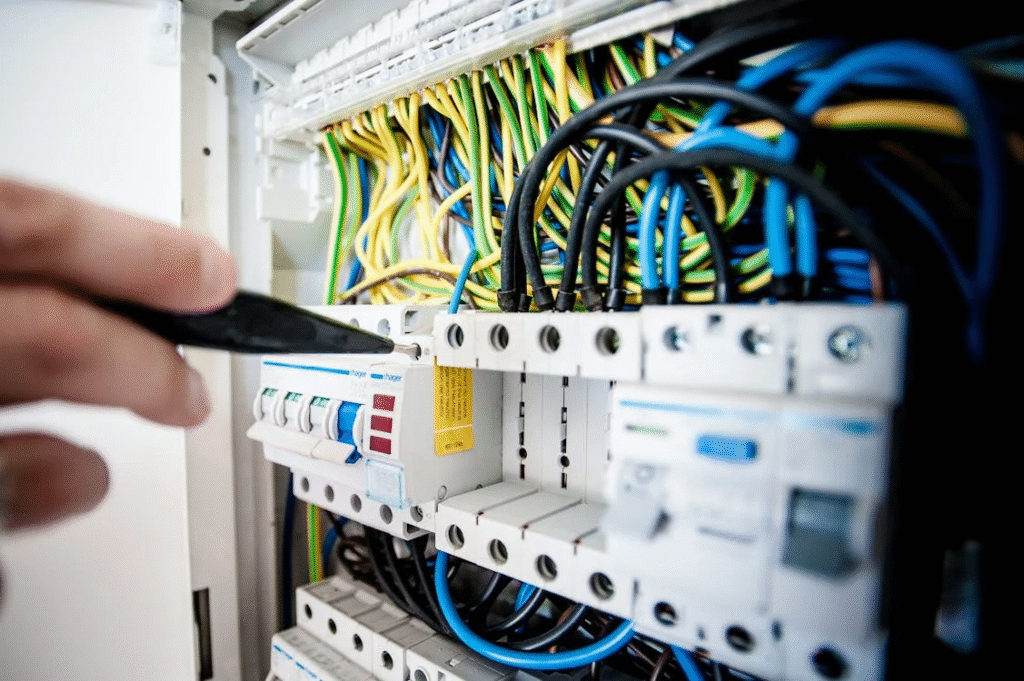
In California, utility companies such as PG&E and Southern California Edison have faced increasing scrutiny and lawsuits for their role in the catastrophic wildfires. Faulty electrical equipment, poor maintenance, and failure to follow safety protocols have led to massive destruction and tragic loss of life. But while public outcry may push these corporations into the spotlight, the key to a successful lawsuit lies in one thing: evidence.
For wildfire victims pursuing legal action, the burden of proof can seem overwhelming. However, with the help of experienced wildfire attorneys, you can build a case grounded in solid documentation, expert analysis, and legal precedent.
Why Evidence Matters in Wildfire Lawsuits
To hold a utility company liable for wildfire damage, you must prove that its negligence directly caused or significantly contributed to the fire. This requires a detailed legal strategy and strong supporting evidence. Courts need more than suspicion; they need documentation that clearly shows a breach of duty and a causal link to your losses.
California courts have already set precedents for utility liability. In several high-profile cases, judges and juries awarded significant compensation to victims when plaintiffs could prove that the utility failed to inspect, maintain, or repair critical infrastructure.
Key Types of Evidence That Strengthen Wildfire Claims
1. Utility Maintenance Records
Perhaps the most critical piece of evidence in these lawsuits is the utility’s own maintenance history. Fire damage lawyers can subpoena records showing when and how often equipment was inspected, serviced, or flagged for replacement. Delays, omissions, or incomplete inspections can demonstrate a pattern of negligence.
For example, in the aftermath of the Camp Fire, the deadliest wildfire in California history, PG&E’s inadequate inspection of a nearly century-old transmission tower became central to its liability. Maintenance records revealed that the faulty part responsible for the fire hadn’t been replaced in decades, ultimately contributing to PG&E’s decision to file for bankruptcy under a wave of lawsuits.
2. Expert Investigations and Fire Reports
Wildfire investigations often involve fire marshals, forensic engineers, and utility experts. Their reports may identify the ignition point, determine the role of electrical equipment, and outline the chain of events leading up to the fire. These expert opinions are invaluable in connecting utility failure to the cause of the wildfire.
Plaintiffs are also encouraged to bring in their own experts, qualified electrical engineers or fire investigators, who can independently analyze the utility’s actions and strengthen the legal case.
3. Eyewitness Testimonies
Victims, bystanders, and even utility workers may witness early signs of electrical failure, such as sparks or downed power lines, before a wildfire starts. Firsthand accounts can help establish a timeline and corroborate physical evidence, particularly in remote areas where surveillance footage may not be available.
Your wildfire attorney may take sworn statements or depositions that become part of the official court record. In combination with physical evidence, these statements paint a clearer picture of the utility’s role in the disaster.
4. Public Safety Power Shutoff (PSPS) Logs
During high-risk fire seasons, utilities are supposed to initiate PSPS events, deliberate shutdowns of power lines to prevent ignition. If records show that a utility failed to take this preventive action despite red flag warnings, this may suggest a breach of duty.
For instance, failure to initiate a PSPS despite severe wind forecasts and dry vegetation can be strong evidence that the utility acted irresponsibly. This type of evidence has been successfully used in lawsuits related to the Kincade and Zogg Fires.
5. Communication with Regulatory Agencies
Utility companies are regulated by the California Public Utilities Commission (CPUC), which often issues warnings or requires safety improvements. Evidence that a utility ignored these mandates or failed to report safety issues can help show a pattern of disregard for public safety.
Your legal team can request internal memos, email correspondence, and CPUC findings that reveal a company’s history of violations or failure to comply with state safety requirements.
6. Social Media and Community Documentation
In today’s digital age, many people document disasters in real time. Photos, videos, and posts showing utility equipment sparking or failing before the fire can support claims. Likewise, drone footage and local news archives often provide a record of what occurred and when.
Your attorney may also rely on archived weather data, emergency response records, and timestamped communications to align your losses with the utility’s conduct.
How Fire Damage Lawyers Use This Evidence
When representing wildfire victims, experienced fire damage lawyers build a comprehensive case using all available documentation. They may partner with investigative firms, engineers, and even former utility employees to uncover the cause of the fire and determine if it could have been prevented.
Filing an individual lawsuit or joining a mass tort case typically starts with a detailed assessment of your damages and the evidence available. The stronger your documentation, the more likely your case will result in compensation for:
- Property loss.
- Evacuation costs.
- Business interruption.
- Medical bills.
- Emotional distress.
In many cases, evidence of gross negligence may result in punitive damages.
Case Example: PG&E and the Camp Fire
PG&E’s role in the 2018 Camp Fire became a legal turning point. Following an extensive investigation, Cal Fire determined that PG&E’s electrical transmission lines caused the fire. Plaintiffs’ attorneys presented decades of maintenance failures, inspection gaps, and ignored safety recommendations. Ultimately, PG&E pleaded guilty to 84 counts of involuntary manslaughter and paid over $13.5 billion in settlements through the Fire Victim Trust.
This case highlights the importance of clear and organized evidence in holding utilities accountable.
Don’t Wait to Start Building Your Case
Utility companies often deploy teams of lawyers to deny or minimize their responsibility. That’s why victims need a legal team with experience, resources, and a track record of success.
If you’ve suffered wildfire damage and suspect a utility company may be responsible, now is the time to act. Evidence can degrade or disappear over time. Contacting a wildfire attorney early ensures you gather the strongest documentation possible to support your claim.At Adamson Ahdoot, we know how to hold powerful corporations accountable. Our fire damage lawyers will review your case, investigate potential utility negligence, and help you pursue the compensation you deserve. Call us today at (800) 310-1606 for a free consultation with one of our experts.
Author Details

Schedule A Free Consultation (2nd form)
Fill Out the Form Below to Get Your Wildfire Recovery Estimate
"*" indicates required fields